
THE ARTS
Performing Arts at Field School
Here at Field School, the performing arts classes are about opening doors for possibility. So often in middle school, students begin to prune areas and categorize themselves, closing doors. At Field, every boy learns the basics of playing an instrument. This skill set can open doors for
Establishing habits that translate into other areas
Inspiring the boys to go deeper in pursuing and practicing their instrument
Becoming a culturally competent citizen
Contributing to their community through playing their instrument
Building connections with friends
Building skills that will carry them into successful pursuits in high school and beyond.
Our teaching artists offer a wide array of instrument offerings. They are accomplished educators and performers who come to teach the boys twice a week. Each boy is placed during the summer in an instrument class, which they study all year. All boys are required to perform for their parents and friends twice a year, creating an authentic assessment as well as a wonderful way to create community using music. In addition, faculty from each class choose boys to represent their program in our yearly Honors Recital in March. Although boys are allowed to change instruments in the summer placement, most boys see the most success and do choose to stay with the same instrument over multiple years.
We invite you to explore the biographies of our incredible faculty as well as the course descriptions of our wide array of offerings.
Current Classes
-
Whether you have been taking lessons for awhile, or want to learn something new, this class is for you. Learn some early technical skills like keyboard exploration, fingerings, gross and fine motor coordination, improvisation and rhythmic intuition. Classes will begin with large gross motor work, using body percussion, and movement to establish beat keeping and rhythmic coordination. The boys will then have the opportunity to practice individually on piano pieces suggested for their ability level. In addition to receiving feedback and instruction on those pieces, they will be able to work on music theory that caters to their reading levels. Sharing a piece with others in the class will occur about twice a month and a parent/community share usually happens at least two times a year. The boys also engage in a composition project twice a year, an audio Halloween card and another project in the spring. A keyboard or piano at home is required, but the school has one keyboard for use if needed. Fee for music is also charged. Email sent after class selection with required materials.
-
Whether you have been taking lessons for awhile, or just beginning, this class will meet your needs. Mrs. Slater has students of all ages, instruments, and abilities. She believes that music is for everyone. Students will be introduced to techniques for making sound, learn how to care for a reed-based instrument, learn early music literacy concepts, and learn how to make a successful sound and produce music on a woodwind instrument. Students will play as individuals, in duets or trios or even as a full ensemble. Repertoire comes from a variety of genres. Students have lots of choice when selecting pieces. Sharings will happen twice a year. Students will need to rent a saxophone for class participation. They will also need to purchase a method book and reeds necessary for class. Email sent after class selection with required materials.
-
This class is meant for students with some experience on either guitar or ukulele, not beginners. The class will focus on the joy and friendship the instrument offers. Students will learn about and develop a variety of techniques to help them in playing the instrument while increasing both their motor and musical skills. Topics covered in class will range from an identification of guitar parts, posture, tuning and care for the instrument, basic pitch and rhythm, strumming open chord shapes, improvisation, and solo and ensemble playing. Exercises and pieces will be catered for all skill levels and interests. Expect a wide range ofmusical exposure, exploring guitar techniques from a variety of genres. Guitar students will need to source a correctly sized and playable instrument. Email sent after class selection with required materials.
-
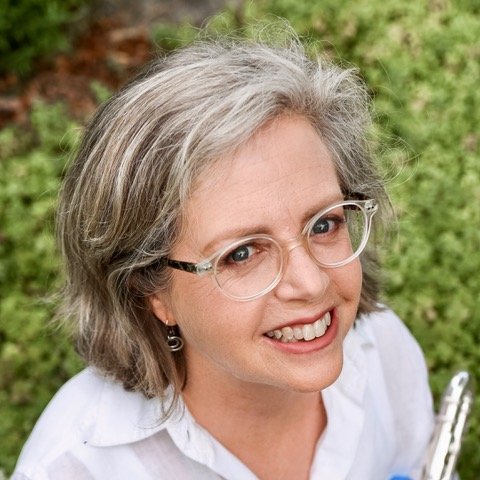
The flute is a fascinating instrument! It is one of the oldest musical instruments, it’s small enough to take almost anywhere, and it’s featured in a wide range of musical styles, from classical orchestral music to jazz, Irish traditional, rock and beatbox. Students in this class will first learn how to produce a sound on the flute headjoint, eventually progressing to the entire flute while also learning fundamentals of rhythm and music theory. The boys will have the opportunity to practice individually on flute pieces suggested for their ability level. In addition to receiving feedback and instruction on solo pieces they will have an opportunity to learn duets and trios. Sharing a short piece in the class will occur twice a month and a parent/community share will happen a couple of times a year. Students will need to source a playable flute for class participation. They will also need to purchase a method book and materials necessary for class. Email sent after class selection with required materials.
-
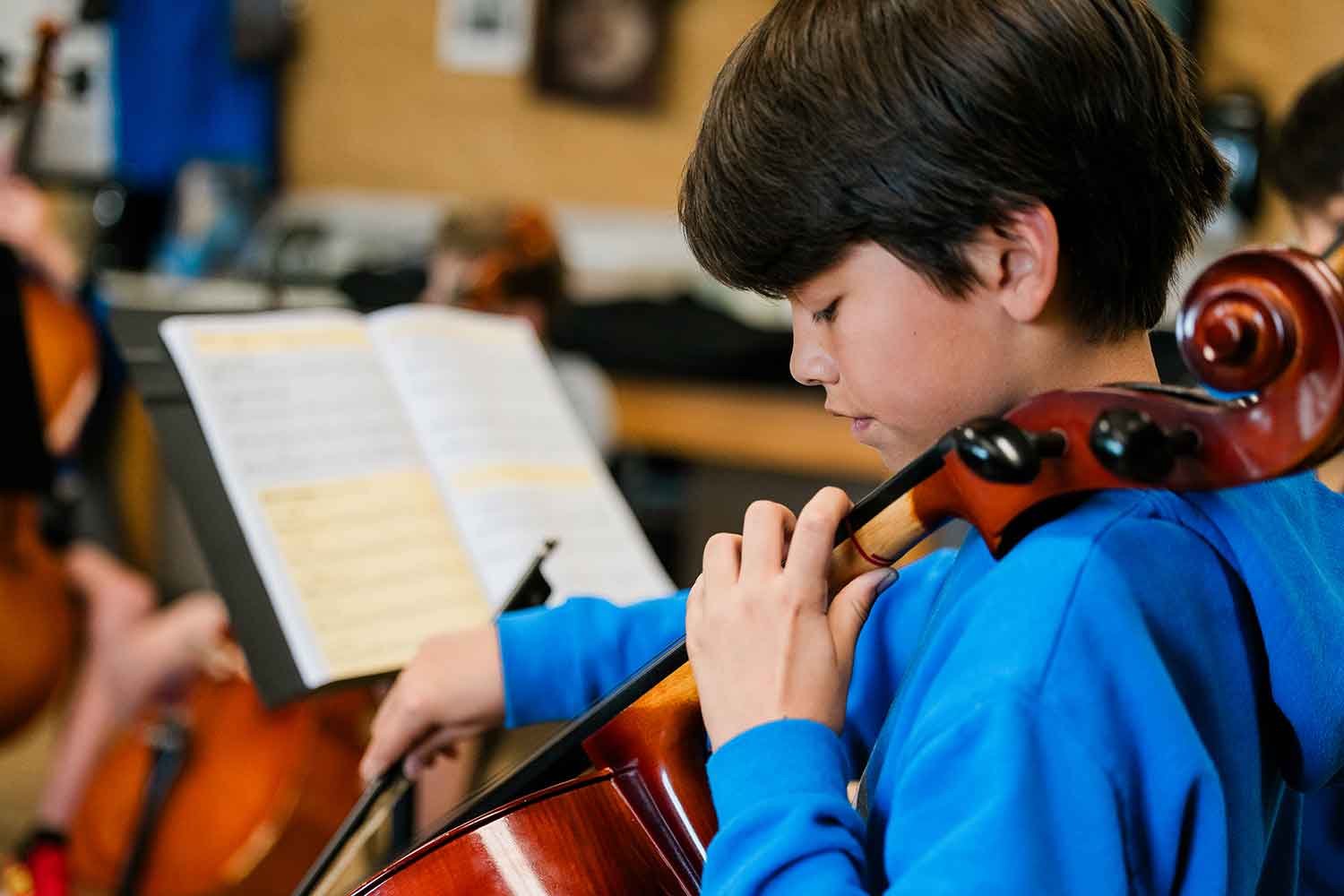
Learning to play the cello is as essential to living as food or water. Well, maybe not… but it’s still pretty awesome. This class will be an opportunity for students new to the cello to get off to a good start on a cello journey while also giving current-cellists ways to expand their abilities and play with other cellists in a team-based environment. Along the way we will learn about many universal aspects of music such as rhythm, tuning, discipline, practice techniques, problem-solving, and the power of setting goals. We will also explore how the cello has been used outside of “classical music”, sometimes even to change the world. A functioning cello, bow, and open mind will be required. Sharing individual or ensemble performances will occur about twice a month in the class and a parent/community share will happen a couple of times a year. Students will need to rent a cello for class participation. They will also need to purchase a method book and materials necessary for class. Email sent after class selection with required materials.
-
From African to Cuba, this class explores rhythms of cultures from all over the world. The most established performing arts class at the Field School, the drumming ensemble has a reputation of excellence. Under the capable leadership of Mr. Rose, students learn self-discipline, self-control, the art of the ensemble, and the magic of a drum circle. What is it like to learn the beat and rhythms by rote? Can you repeat those and listen to others in the ensemble? Boys love this physical class that has them playing but more importantly, has them listening. Students will need a full size djembe for class. Email sent after class selection with required materials.
-
Ukulele class is a great place to begin learning about the incredible world of string instruments. All skill levels are welcome! We will explore a wide variety of music genres, including folk, jazz, pop, rock, and classical music. In this class we will learn proper care for ukuleles, posture/healthy playing technique, strumming/fingerpicking, basic music theory, tuning, and how to play as a soloist and member of an ensemble. Students in this class will have the opportunity to improvise, compose, and collaborate with other students in the class. Students will need to purchase a method book and materials necessary for class, including a baritone ukulele. Email sent after class selection with required materials.
Meet the Performing Arts Faculty & Staff
-
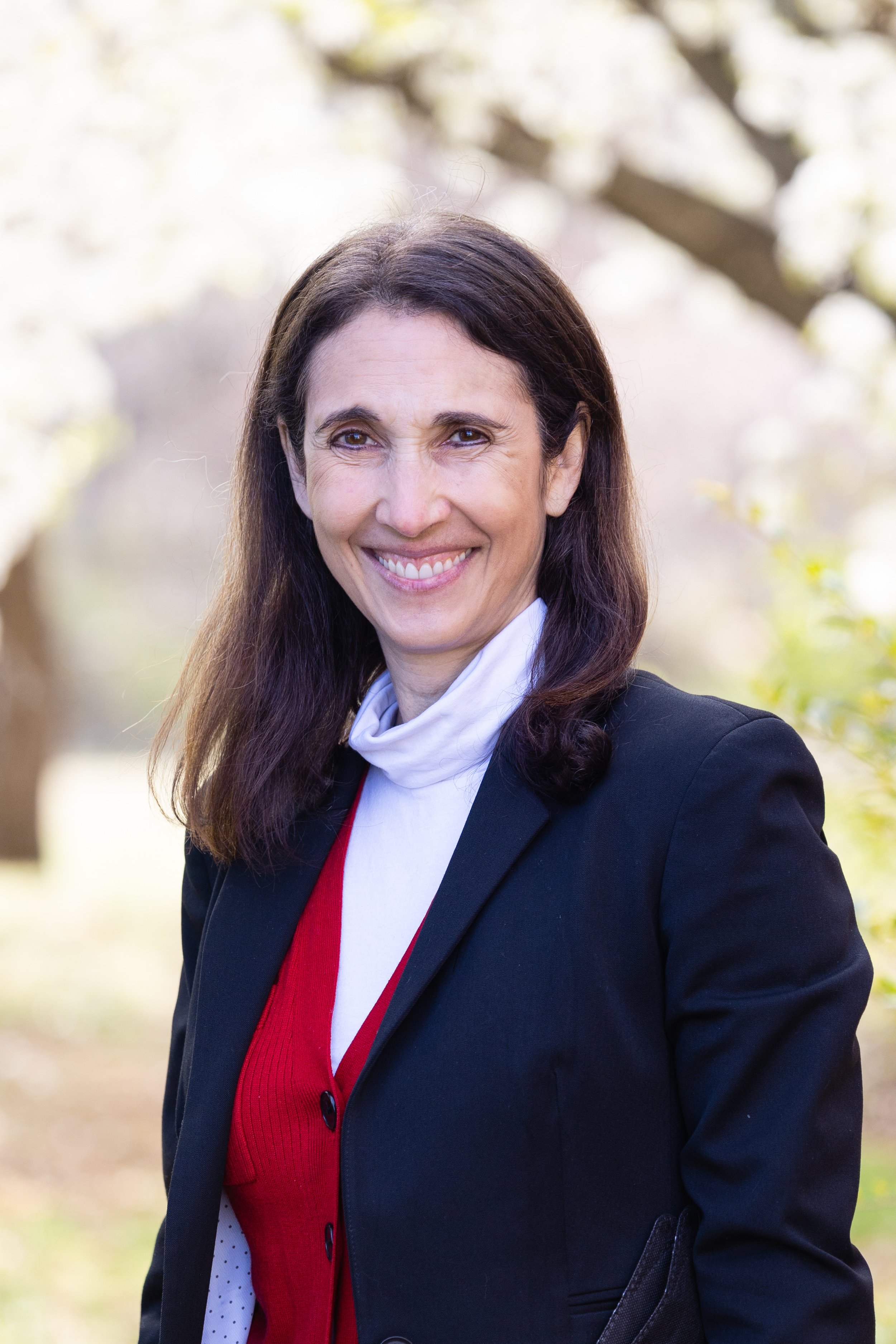
![A woman with long dark hair, smiling, standing outdoors in front of blooming trees, wearing a black blazer, a white shirt, and a red vest.]()
Victoria Redfearn Cave
DIRECTOR OF PERFORMING ARTS & PIANO CLASS INSTRUCTOR
-
![A woman with gray hair and glasses smiling outdoors, with green grass in the background.]()
Elizabeth Brightbill
FLUTE CLASS INSTRUCTOR
-
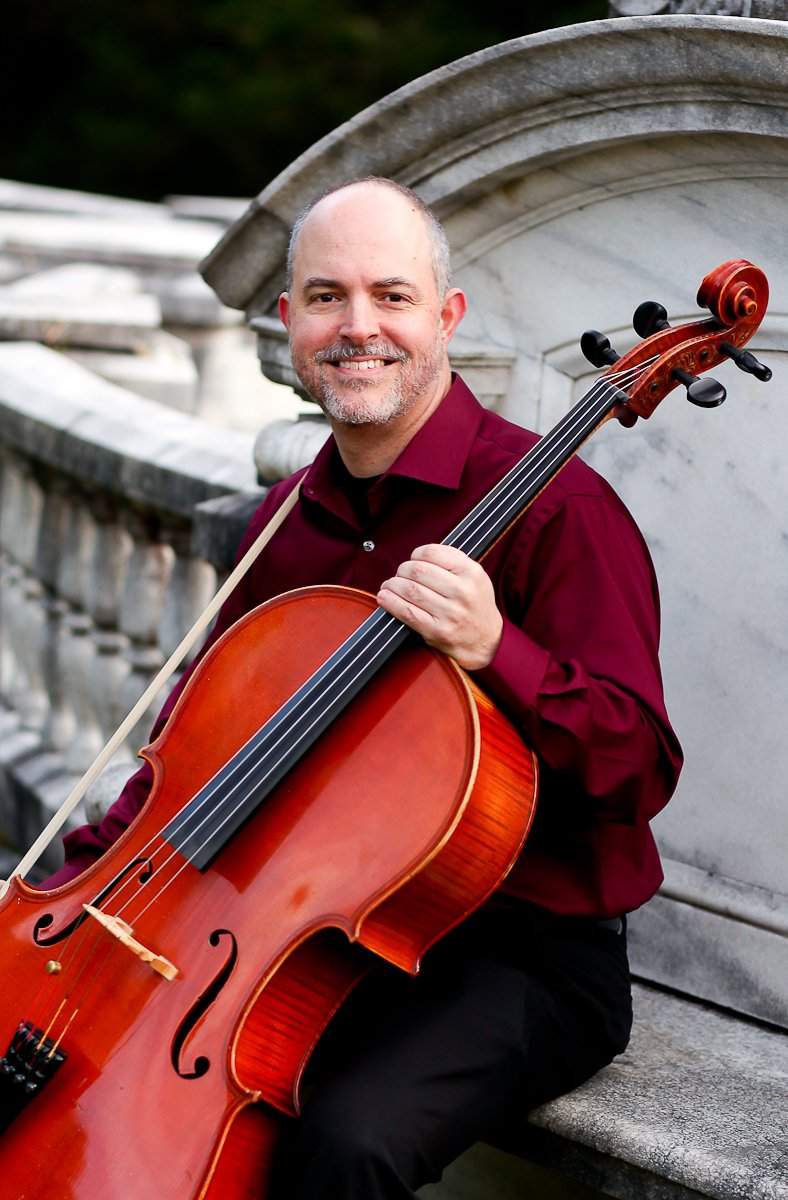
![A man with a beard and bald head, wearing a maroon shirt, is sitting outdoors and holding a cello while smiling at the camera. There are white stone structures in the background.]()
Andrew Gabbert
CELLO CLASS INSTRUCTOR
-
![A close-up black and white photo of a man with glasses, short dark hair, and a trimmed beard, wearing a checkered shirt and a dark blazer.]()
Dave Hennessy
GUITAR CLASS INSTRUCTOR
-
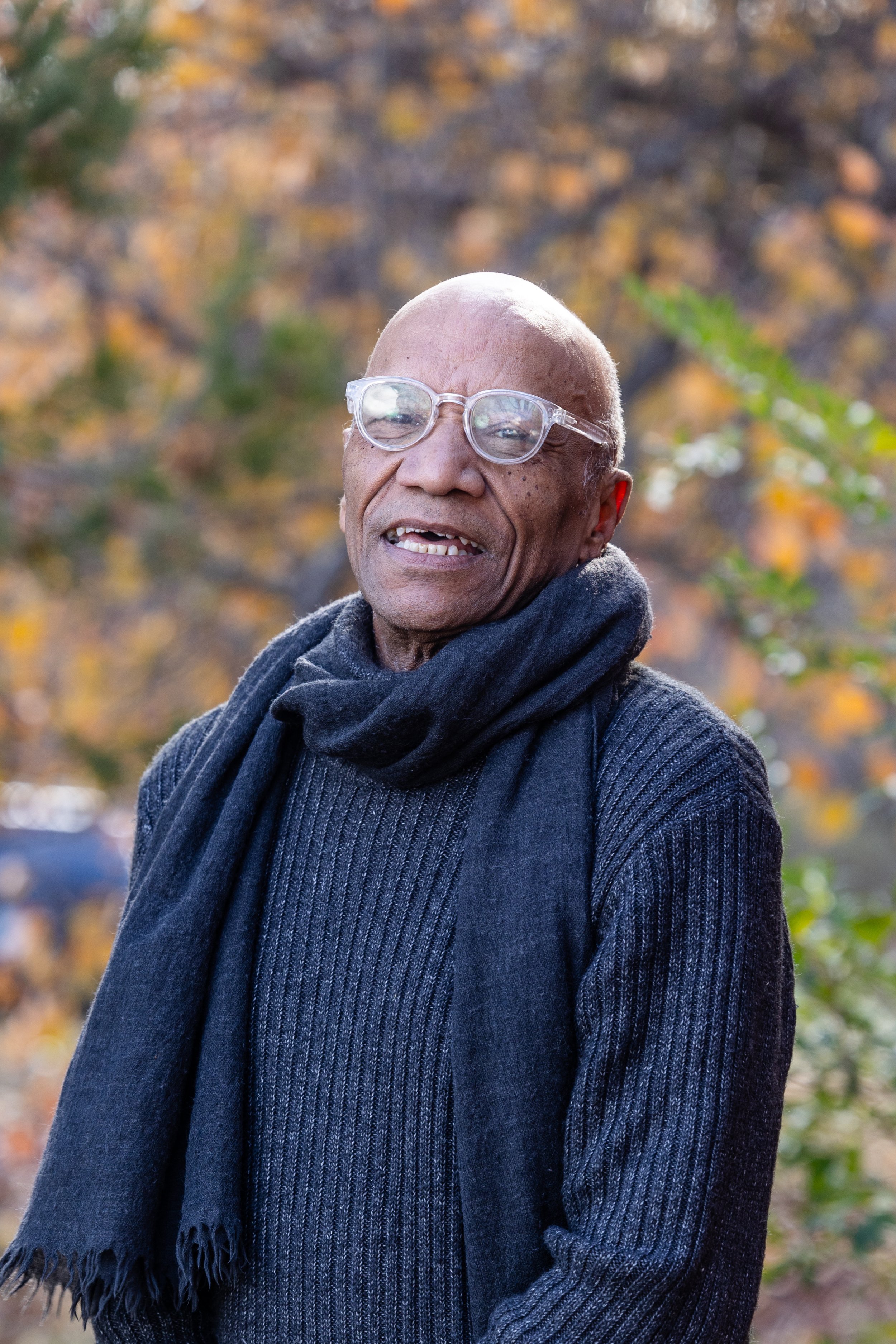
![Darrell Rose, Drumming Teacher]()
Darrell Rose
DRUMMING TEACHER
-
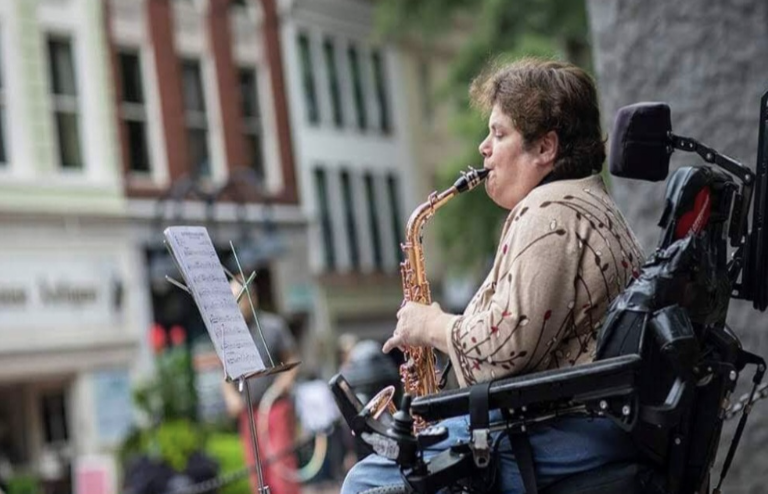
![Person in a motorized wheelchair playing a saxophone outdoors with a music stand and urban buildings in the background.]()
Bonnie Slater
CLARINET/SAXOPHONE CLASS INSTRUCTOR
-
![A smiling woman with long brown hair, wearing clear glasses, a denim shirt, and large gold hoop earrings, standing indoors with a blurred green plant in the background.]()
Abby Smith
UKULELE INSTRUCTOR

VISUAL ARTS
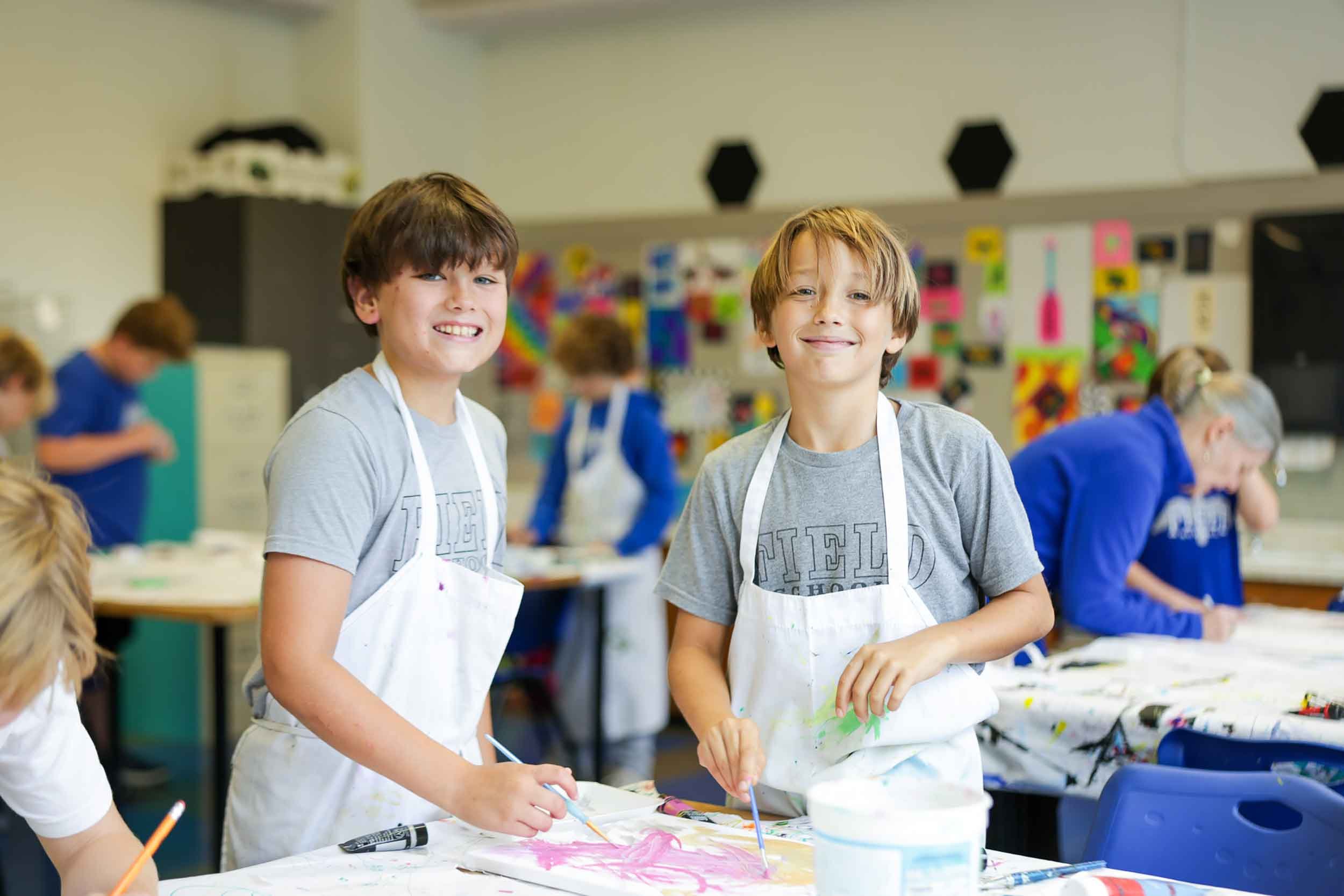
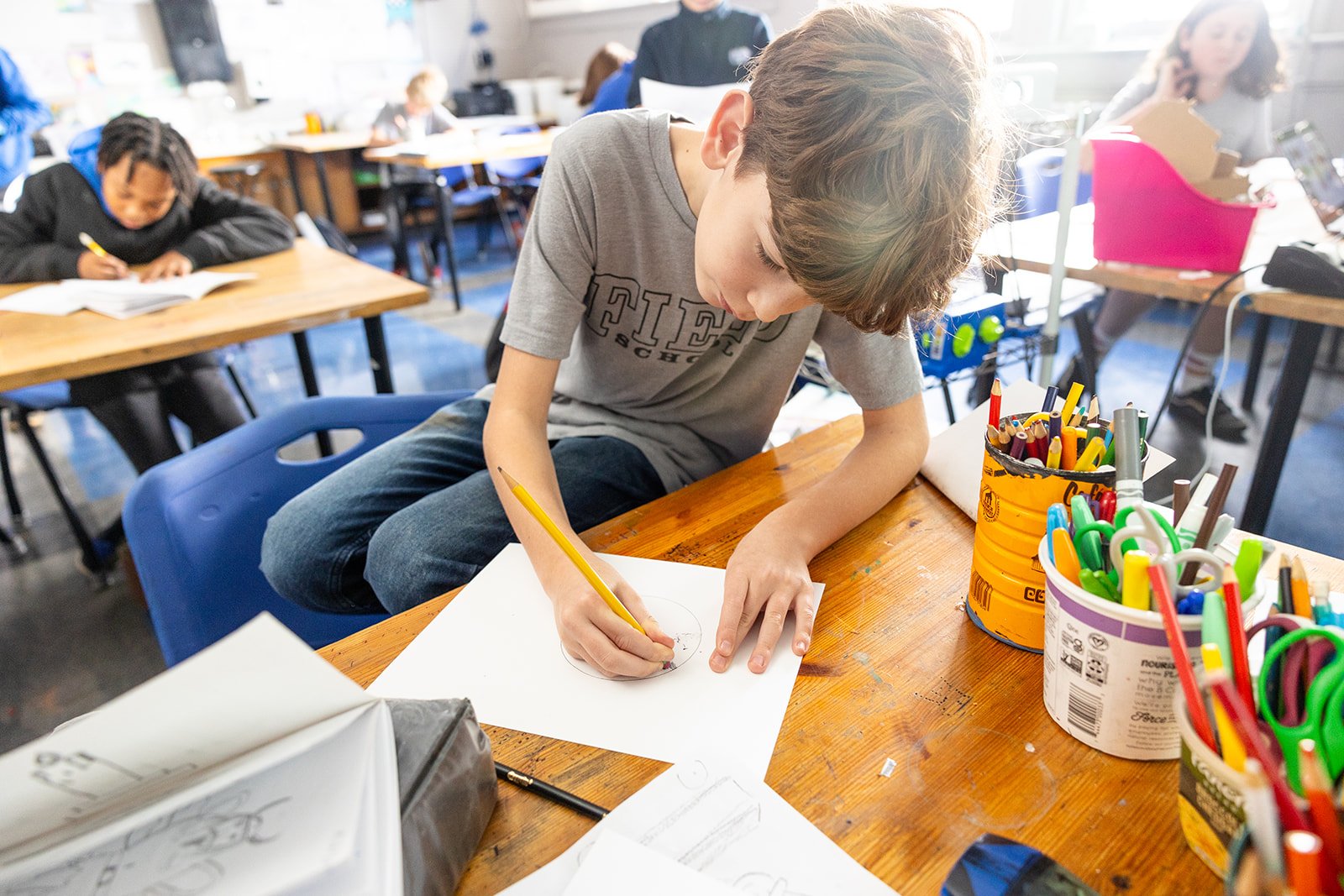
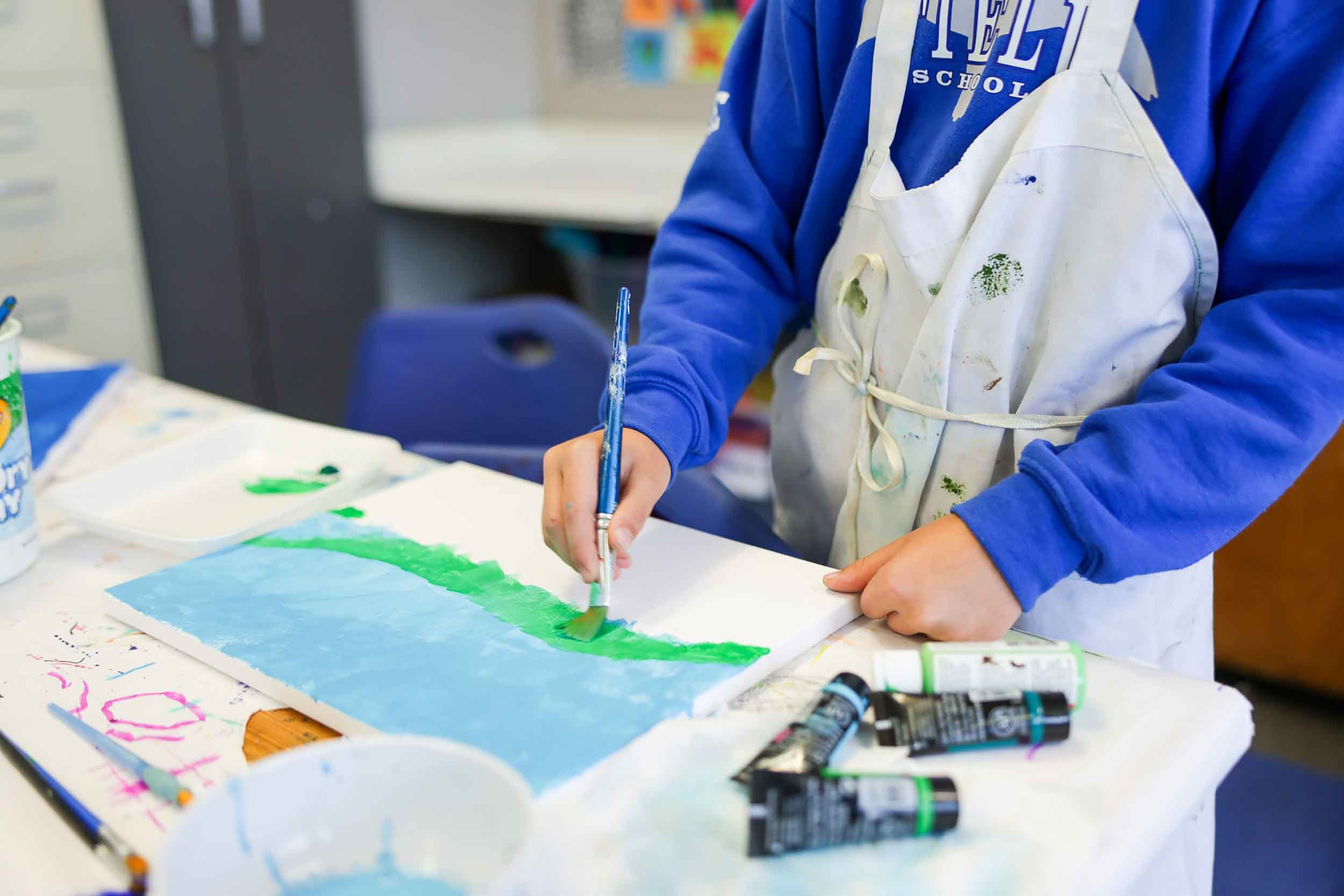
The Field School Visual Arts Program is designed with boys in mind. It is active, tactile, and creativity-forward. Students are exposed to a wide variety of art and media, including painting, drawing, printmaking, textiles, design, sculpture, and collage. They learn technique and proper use and care of materials, while considering the elements of art and principles of design. Through the process, they continue to develop their fine motor skills, hand-eye coordination, and creative problem-solving abilities. They work individually and collaboratively on projects that are directed but open-ended.
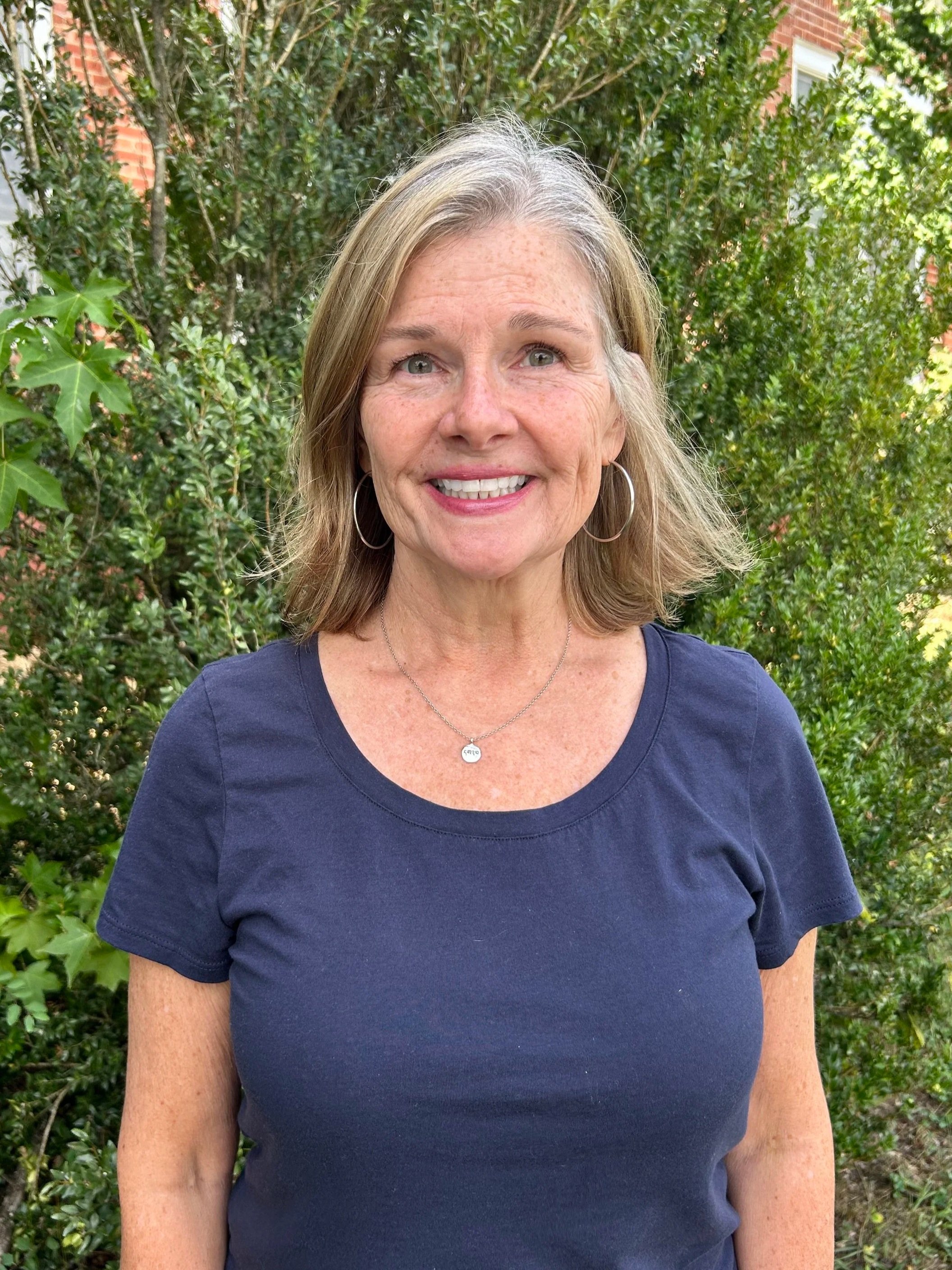
Michelle Nevarr
DIRECTOR OF VISUAL ARTS AND ART TEACHER